Hubspot to (Migration Guide)
Hubspot to (Migration Guide)
Migrating your business processes, data, and workflows from HubSpot to is an essential step for companies seeking to optimize operations, reduce costs, and take advantage of new features. This guide outlines the necessary steps for a smooth transition, ensuring minimal disruptions while maximizing the benefits of ’s capabilities.
How to Migrate from HubSpot to
Section titled “How to Migrate from HubSpot to”Step 1: Preparation for Migration
Section titled “Step 1: Preparation for Migration”1. Review Current Setup
- Identify key features in use (e.g., marketing tools) and document existing workflows.
- Evaluate data volume (e.g., contacts, deals, emails) to ensure adequate storage in .
Define Migration Goals
- Set clear objectives, such as improved automation or cost savings.
- Prioritize which features and data sets to migrate first.
Prepare Backup
- Export necessary data (contacts, deals, workflows, etc.) from HubSpot.
- Secure a backup to prevent data loss.
Step 2: Migrate Data
Section titled “Step 2: Migrate Data”1. Export Data from HubSpot
- Contacts and Companies: Navigate to Contacts > Contacts and CRM > Companies. Export data as CSV files.
- Deals and Pipelines: Go to Sales > Deals. Export your pipelines and associated deals.
- Marketing Assets: Export emails, landing pages, forms, and workflows.
- Products and Invoices: Export your product catalog and any invoices generated through HubSpot’s payment tool.
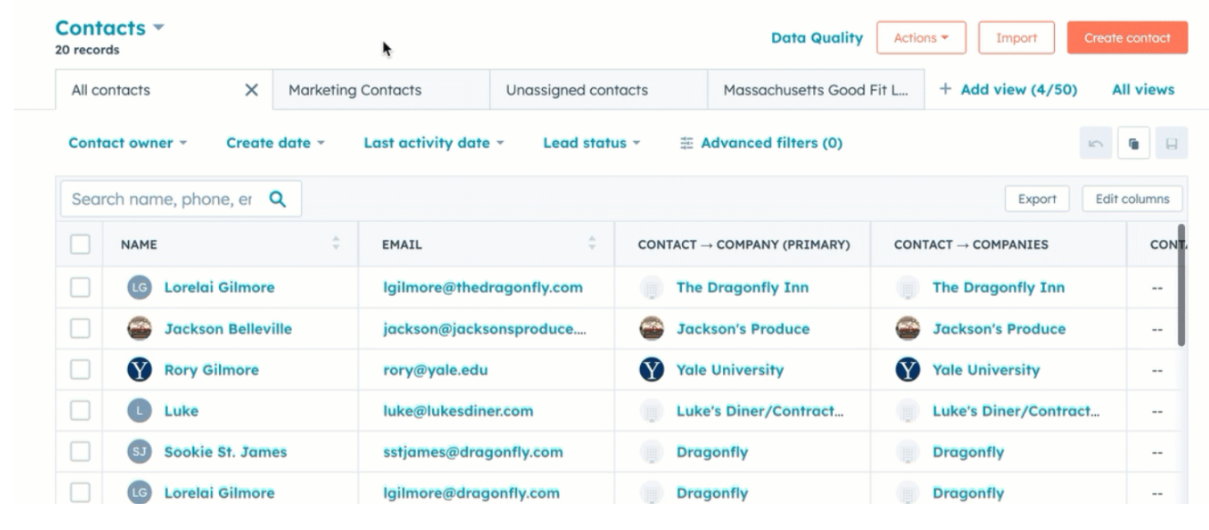
2. Import Data into
- Import Contacts and Companies: To import contacts and companies, go to Contacts > Import Contacts in . Upload the CSV files exported from HubSpot and map the fields correctly (e.g., first name, last name, email).
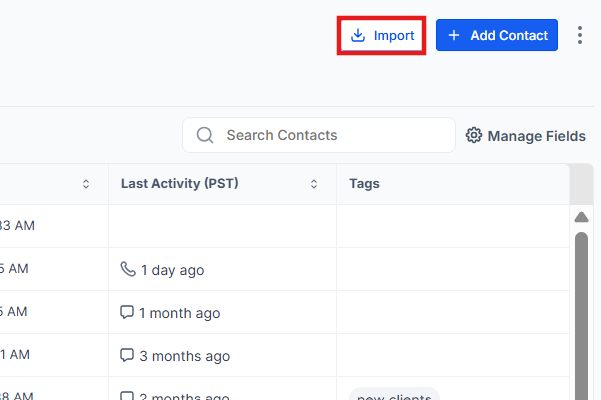
- Recreate Deals and Pipelines: To recreate deals and pipelines, navigate to Opportunities > Pipelines in and set up new pipelines. Manually add deals or import them as needed.
- Migrate Products and Invoices: Recreate product listings in by navigating to Payments > Products. Configure invoices and payment links using the invoicing tool.
Step 3: Migrate Workflows and Automations
Section titled “Step 3: Migrate Workflows and Automations”1. Review Existing Workflows
- Identify Active Workflows: Review and document all active workflows in HubSpot, noting the triggers, actions, and delays involved.
- Assess Workflow Complexity: Evaluate the complexity of each workflow to determine the most suitable method for replicating it in .
2. Recreate Workflows in
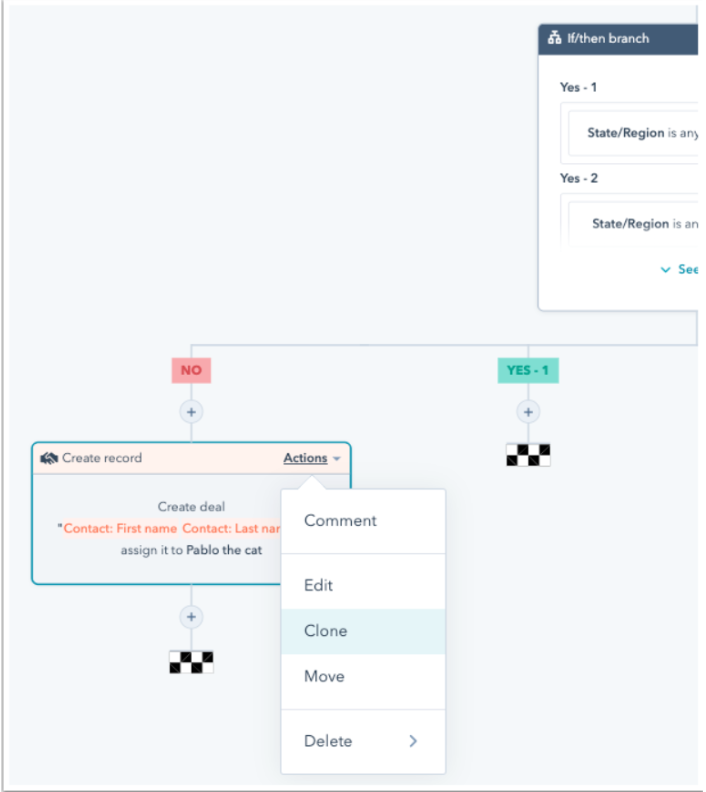
- Set Up Automation Triggers: In , go to Automation > Workflows and configure triggers similar to those in HubSpot (e.g., form submissions, contact updates).
- Recreate Actions and Delays: Rebuild actions like sending emails, SMS, tagging contacts, or updating deal stages. Set up any required delays and conditional logic within the workflows.
3. Test Workflows
- Run tests and make adjustments to ensure proper functionality.
Step 4: Migrate Marketing Campaigns
Section titled “Step 4: Migrate Marketing Campaigns”1. Export and Recreate Email Campaigns
- Save Email Templates: Export HTML copies of your HubSpot email templates.
- Import or Recreate in : Go to Marketing > Email Campaigns in . Import or rebuild the email templates and configure them to match your original designs.
- Rebuild Landing Pages and Forms
- Download Landing Pages: Export the HTML files for your HubSpot landing pages.
- Recreate in : Utilize the Sites > Landing Pages builder in to rebuild the landing pages. Make sure all forms and CTA buttons are connected to your workflows in .
- Configure Campaign Settings
- Configure your campaigns in , ensuring that all assets (emails, landing pages, forms) are properly linked. Define specific goals, budgets, and tracking settings as required.

Step 5: Migrate Communication Tools
Section titled “Step 5: Migrate Communication Tools”Set Up Calling and SMS
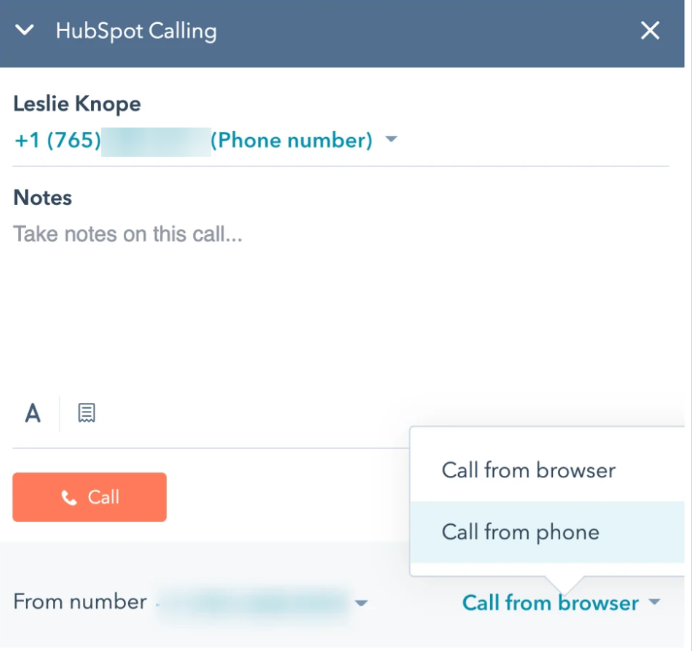
- Integrate your existing phone service, if applicable, within Settings > Phone Numbers
- Configure SMS and call automation workflows in by navigating to Automation > Workflows. Make sure all client communication is properly logged and tracked.
Configure Conversations Inbox
- Set Up Inbox: Go to Conversations > Inbox in to configure your default inbox and connect communication channels like email, SMS, and Facebook Messenger.
- Verify Communication Channels: Make sure all channels are working correctly and that messages are being routed to the appropriate inbox.
Step 6: Final Checks and Training
Section titled “Step 6: Final Checks and Training”- Perform Final Data Validation
- Cross-check data for discrepancies between HubSpot and records.
- Validate that workflows and campaigns are operational.
- Train Team Members
- Provide training on using , focusing on key differences from HubSpot.
- Encourage team members to utilize ‘s support resources for continuous learning.
- Monitor and Optimize
- Monitor the performance of your new setup in and make adjustments as needed.
- Regularly review workflows, making improvements as needed.

Step 7: Decommissioning HubSpot
Section titled “Step 7: Decommissioning HubSpot”- Transition Period
- Run both systems in parallel before fully phasing out HubSpot.
- Gradually decrease dependence on HubSpot as becomes fully operational.
- Cancel HubSpot Subscription
- Ensure all data is backed up before canceling the subscription.
- Post-Migration Review
- Assess the success of the migration process and record any lessons learned. Continue monitoring the system after migration to identify and address any potential issues.

Pro Tips for a Smooth Migration
Section titled “Pro Tips for a Smooth Migration”- Run Tests Early and Often: Before activating any automation, run tests to identify any issues.
- Use Existing Templates as References: When recreating email campaigns or workflows, refer to existing templates to ensure consistency.
- Create a Phased Migration Plan: Tackle the migration in phases (e.g., CRM data, workflows, campaigns) to avoid overwhelming your team.
- Utilize Custom Fields for Specific Data: If there are data points unique to your business, create custom fields to maintain data integrity.
- Stay Flexible During Training: Be prepared to make changes based on team feedback as they get used to .
Question: How long does the migration process typically take?Answer**: The time needed varies depending on the data volume and the complexity of workflows. It is advisable to allocate a few weeks for a thorough migration.
Question: What if we encounter data discrepancies after migration?Answer**: Perform data validation checks and correct any discrepancies manually. Ensure all necessary data mapping is done correctly during the import.
Question: Can I run both systems in parallel during migration?Answer**: Yes, running both systems simultaneously allows you to ensure everything is functioning properly in before decommissioning HubSpot.
Question: How do I ensure that my workflows function the same way as before?Answer**: Carefully document your existing workflows and replicate them in using similar triggers, actions, and delays. Testing workflows before going live is crucial.
Question: Is training necessary for team members?Answer**: Yes, training is essential to familiarize your team with the new system and its functionalities. This will ensure a smooth transition and minimize disruptions.
Question: How do I measure migration success?Answer**: Migration success can be measured by data accuracy, workflow performance, campaign functionality, and team adoption within .
Question: How do I migrate my HubSpot email templates without losing the design?
Answer: Export the HTML copies of your HubSpot templates. You can then navigate to Marketing > Email Campaigns in the new system to import that HTML or use it as a direct reference to rebuild the design.
Question: What happens to my HubSpot “Contact ID” during the import?
Answer: You can import the HubSpot ID into a custom field in . This is highly recommended as it allows you to cross-reference records between the two systems during the Transition Period.